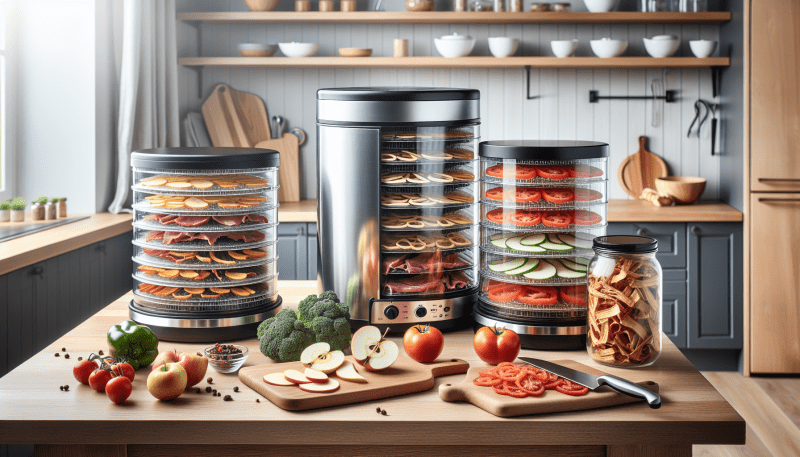
Picking the right dehydrator for making jerky can really make or break your snack game. You'll want something that gets the job done well. Look for a dehydrator with adjustable temperature settings. Jerky needs some serious heat, typically anywhere from 145°F to 160°F. A model that lets you control the temp will help you get the perfect texture.
Airflow is another biggie. Good circulation means even drying and no jerky pieces left mushy. A dehydrator with a fan on the back or a one with horizontal airflow will give you the best results. It ensures that each piece gets treated evenly, so you won't have to worry about any raw bits slipping through.
Capacity matters, too. If you're planning on making big batches for road trips or hunting trips, pick a dehydrator with plenty of space. Look for multiple trays, so you can stack a lot of meat at once. Just remember, the more trays you have, the more room you need. Don't skimp on size if you know you'll be cranking out jerky regularly.
Finally, think about cleaning and maintenance. You want a dehydrator that's easy to clean. Removable trays are a must. Some models even have non-stick surfaces which make cleanup a breeze. Nobody wants to spend their time scrubbing when they could be munching on some delicious jerky!
Steps to Make Perfect Jerky at Home
Making jerky at home is super fun and rewarding! Follow these easy steps to create your perfect batch. You can customize the flavors as you like, and you'll save money compared to store-bought options.
First things first, you'll need to pick the right meat. Beef is the classic choice, but you can also use turkey, pork, or even venison. Look for lean cuts with minimal fat. Trim off any excess fat because it doesn’t dehydrate well and can make your jerky spoil faster.
Next up, slice the meat. Cut it into thin strips, about 1/4 inch thick, against the grain for tenderness or with the grain for a chewier texture. Use a sharp knife, and it can help to freeze the meat for about an hour to make slicing easier.
Now, it's time to marinate! Mix together your favorite seasonings, like soy sauce, Worcestershire sauce, garlic powder, black pepper, and red pepper flakes for some spice. Soak the meat strips in the marinade for at least 4 hours, but overnight is even better. This will infuse awesome flavors into your jerky.
After marinating, pat the meat dry to remove excess liquid. Lay the strips in a single layer in your dehydrator. Set it to the proper temperature, usually around 160°F, and let it run for several hours. Check for doneness; the jerky should be dry and bend without breaking. Let it cool, and then store it in an airtight container. Enjoy snacking on your homemade treat!
Tips for Storing Your Homemade Jerky
Once you’ve made some delicious homemade jerky, storing it properly is key to keeping it fresh and tasty. Here are some tips to help you store your jerky the right way.
First off, look for an airtight container. A glass jar, vacuum-sealed bag, or even a resealable plastic bag works great. Make sure to squeeze out as much air as possible before sealing to keep moisture away. If you want to keep your jerky for a long time, consider using a vacuum sealer. It really makes a difference!
Next, store your jerky in a cool, dry place. A pantry or cupboard is perfect. Just avoid places that get warm, like near the stove or in direct sunlight, as heat can spoil your tasty treats quicker than you’d like.
If you made a big batch, you might want to freeze some. Just make sure it's in an airtight bag to prevent freezer burn. When you're ready to snack, let it thaw in the fridge for the best taste and texture.
Lastly, if you notice any off smells or changes in texture, it's best to toss it. Always trust your gut! With these tips, your jerky will stay yummy for weeks or even months.
Cleaning and Maintaining Your Dehydrator
Cleaning your dehydrator doesn’t have to be a chore. In fact, it can be pretty quick and easy if you follow a few simple steps. After every use, make sure to give it a good wipe down. Start by unplugging it and letting it cool down. Nobody likes burnt fingers!
Once it’s cool, remove the trays and soak them in warm, soapy water for a bit. This helps to loosen up any stubborn bits of food that may be stuck to them. Use a soft sponge or cloth to scrub gently. Avoid using any harsh scrubbers that could scratch the surface. After you wash them, give them a good rinse and let them air dry.
Don't forget to clean the interior of the dehydrator itself! A damp cloth or sponge works wonders for wiping down the walls and the fan. Just make sure you don’t get any electrical parts wet. If there’s any stubborn residue, a bit of vinegar can help break it down.
Regular maintenance takes just a little effort, but it pays off. Check for any food particles or dust that might have collected in the crevices. A small vacuum or a soft brush can help keep things tidy. Keeping your dehydrator clean not only helps it last longer but also ensures that your next batch of jerky tastes fantastic!